

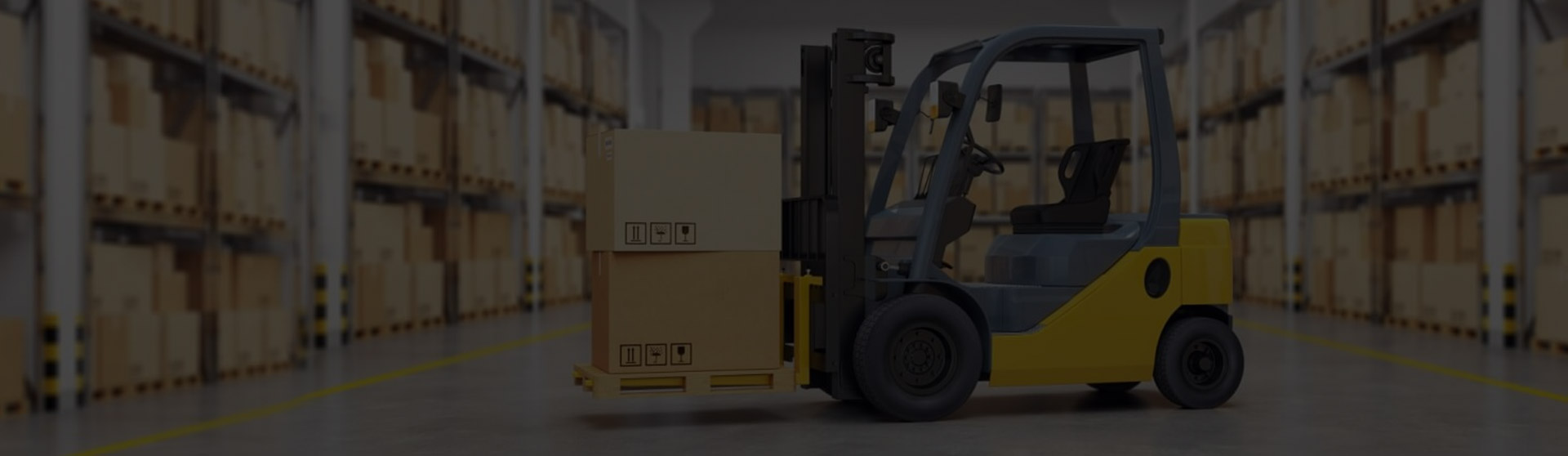

En svampete eller myk bremsepedal på en gaffeltruck er nesten alltid forårsaket av luft i de hydrauliske bremseledningene . Når luft - som er komprimerbar - kommer inn i væskekretsen, absorberes pedaltrykket av luftlommen i stedet for å overføres direkte til bremsesylindrene, noe som skaper den karakteristiske myke, "svampaktige" følelsen under føttene. Andre vanlige årsaker inkluderer en sviktende hovedsylinder, slitte bremseslanger, lav eller forurenset bremsevæske og lekkende hjulsylindere. Å identifisere og rette opp årsaken raskt er ikke valgfritt: en gaffeltruck med redusert bremseytelse er en alvorlig fare på arbeidsplassen.
Gaffeltrucks bremsesystemer utsettes for kontinuerlig stress i lager, logistikk og industrimiljøer hvor hyppige start og stopp er normen. A kraftig gaffeltruck bremsesystem håndtering av en 3-tonns last med en typisk driftshastighet på 15–20 km/t må spre betydelig kinetisk energi ved hvert stopp. Når en komponent i den hydrauliske kjeden degraderes - fra hovedsylinderen ned til bremseskofriksjonsmaterialet - vises den kumulative effekten først som en endring i pedalfølelsen, lenge før en fullstendig bremsefeil oppstår. Ved å gjenkjenne advarselsskiltene tidlig kan vedlikeholdsteam løse problemer under planlagt nedetid i stedet for som svar på en hendelse.
Hvordan en Gaffeltruck bremsesystem Fungerer
De fleste forbrennings- og elektriske gaffeltrucker bruker en hydraulisk trommelbremsesystem på bakhjulene kombinert med en induktiv eller regenerativ bremsemekanisme på elektriske modeller. Når operatøren trykker på bremsepedalen, påføres mekanisk kraft på hovedsylinderen, som omdanner den til hydraulisk trykk. Det trykket går gjennom herdede stålrør og fleksible slanger til hjulsylindrene ved hvert hjul, hvor det tvinger bremseskoene utover mot den roterende bremsetrommelen. Friksjon mellom sko og trommel bremser hjulet og får gaffeltrucken til å stoppe.
Den hydrauliske kretsen er et lukket system fylt med bremsevæske. Fordi bremsevæske i hovedsak er inkompressibel, gir en liten bevegelse av hovedsylinderstempelet en umiddelbar og proporsjonal trykkøkning ved hjulsylindrene. Denne direkte trykkoverføringen er det som gir en sunn bremsepedal sin faste, responsive følelse. I det øyeblikket noen del av den lukkede kretsen blir kompromittert - av luftinntrenging, en sprukket slange, en lekker stempeltetning - går systemets inkompressibilitet tapt og pedalresponsen forringes.
I et hydraulisk bremsesystem for gaffeltrucker multipliseres operatørens fotkraft med hovedsylinderen og overføres som væsketrykk gjennom bremseledningene og fleksible slanger til hjulsylindrene. Hjulsylindrene skyver deretter bremseskoene mot trommeloverflaten for å generere friksjon og retardasjon. Enhver forstyrrelse i denne forseglede trykkkjeden – luftinntrengning, væskelekkasje, slangekollaps eller sylindertetningssvikt – reduserer stoppkraften direkte og endrer pedalfølelsen på en måte som en trent operatør vil legge merke til umiddelbart.
De seks vanligste årsakene til en svampete bremsepedal for gaffeltrucker
Hver årsak til pedalsvamp har en distinkt opprinnelse, symptomprofil og reparasjonsvei. Å forstå hvilken årsak som er til stede - i stedet for å bare lufte bremsene og håpe på det beste - er forskjellen mellom en permanent løsning og et tilbakevendende problem som vil komme tilbake i løpet av uker.
Luft i hydraulikkledningene
Dette er den hyppigste årsaken. Luft kommer inn i systemet gjennom en løs kobling, en nylig åpnet bremseledning under vedlikehold, en lekkasje på hjulsylinderen, eller en sprukket slange som suger inn luft når bremsetrykket slippes. Løsningen er en full bremseblødning - systematisk tømming av all luft fra kretsen som starter ved hjulet lengst fra hovedsylinderen. Hvis systemet gjeninnfører luft innen dager etter blødning, er en lekkasje eller sviktende forsegling den faktiske grunnårsaken og må løses først.
Slitt eller sviktende hovedsylinder
Hovedsylinderens innvendige gummipakninger stivner og sprekker over tid, spesielt i miljøer med temperatursvingninger. En slitt hovedsylinder lar væske omgå stempelet i stedet for å bli satt under trykk - pedalen synker til gulvet under vedvarende trykk. A bytte av gaffelbremsesylinder er vanligvis nødvendig når hovedsylinderboringen viser riper, tetningene er kollapset, eller pedalen synker sakte under holdt trykk selv etter en fullstendig systemutlufting.
Forringede fleksible bremseslanger
Fleksible slanger kobler de stive stålbremseledningene til hjulenhetene, og tilpasser fjæringsbevegelser. Over tid brytes innsiden av disse slangene ned og kan delvis kollapse, noe som skaper en enveis begrensning: trykket passerer fra hovedsylinderen til hjulsylinderen, men slipper sakte, noe som fører til bremsemotstand. Mer kritisk er det at en ballongslange absorberer pedaltrykket internt - akkurat som en luftboble - og produserer svamp uten synlig ekstern lekkasje. Hydrauliske bremsedeler for gaffeltruck inkludert slanger bør inspiseres årlig og skiftes ut ved tegn på sprekker, hevelser eller mykhet.
Lite eller forurenset bremsevæske
Bremsevæskenivået synker enten fordi systemet har en lekkasje eller fordi slitasje på bremsesko har fått hjulsylinderstemplene til å strekke seg lenger og fortrenge væske fra reservoaret. Et lavt væskenivå kan tillate luft inn i kretsen. Like viktig er væsketilstanden: bremsevæsken er hygroskopisk, noe som betyr at den absorberer fuktighet fra atmosfæren. Fuktighetsforurenset væske har et betydelig redusert kokepunkt - så lavt som 140°C mot 230°C for fersk DOT 3-væske — forårsaker damplås og plutselig fullstendig bremsetap ved mye bruk. Vedlikeholdsplaner for industrielle gaffeltruckbremsedeler bør inkludere årlig væsketesting og utskifting.
Lekkende hjulsylindere
Hjulsylindere er de hydrauliske aktuatorene ved hvert hjul som skyver bremseskoene. Gummikopptetningene deres slites og stivner, slik at væsken kan renne forbi dem. En liten ekstern lekkasje reduserer systemtrykket og introduserer luft; en større intern bypass betyr at sylinderen ikke kan generere full kraft uavhengig av pedaltrykk. En lekkende hjulsylinder vil typisk etterlate en synlig bremsevæskerester inne i trommelen, forurense bremseskofriksjonsmaterialet og redusere effektiviteten ytterligere. En komplett gaffeltruck bremsereparasjonssett inkluderer vanligvis erstatningshjulsylindertetninger eller full sylindersammenstillinger.
Overopphetede eller skjeve bremsetromler
I høysyklusoperasjoner - som en gaffeltruck som lager over 100 last-plukk-og-plasser-sykluser per skift - akkumulerer bremsetromler betydelig varme. Vedvarende overoppheting kan føre til at trommelen blir ut-av-rund, slik at bremseskokontakten er intermitterende i stedet for kontinuerlig. Pedalen pulserer og kan føles inkonsekvent i stedet for konsekvent svampete, men grunnårsaken - kompromittert kontaktgeometri - krever trommelbearbeiding eller utskifting sammen med inspeksjon av hele gaffeltruckens bremseenhet.
Luft i hydraulikkledningene står for den største andelen av svampete bremsepedalhus, etterfulgt av hovedsylinderslitasje og slangeforringelse. Mens skjeve tromler og forurenset væske representerer mindre prosentandeler individuelt, bidrar de ofte til flere årsaksfeil som oppstår når rutinemessig vedlikeholdsintervaller forlenges. En omfattende inspeksjon som tar for seg alle potensielle årsaker samtidig er mer effektiv enn en enkeltårsaksdiagnose og reparasjon.
Gaffeltruck bremsesystemkomponenter: Hva hver del gjør
En komplett gaffeltruckbremsenhet involverer flere komponenter enn de fleste operatører er klar over. Hver del spiller en spesifikk rolle i trykkgenerering og friksjonskjeden, og svikt i et enkelt element påvirker hele systemets ytelse. Tabellen nedenfor dekker hovedkomponentene som finnes i en standard hydraulisk trommelbremsgaffeltruck, sammen med typiske levetidsindikatorer og feilmoduser.
| Komponent | Funksjon | Typisk levetid | Vanlig feiltegn |
|---|---|---|---|
| Mester Cylinder | Konverterer pedalkraft til hydraulisk trykk | 3–5 år / 5000–8000 timer | Pedalen synker under vedvarende trykk |
| Bremse Hoses | Fleksible væskeledninger til hjulenheter | 2–4 år | Hevelse, sprekker, bremsemotstand |
| Hjul Cylinders | Aktiver bremseskoene via hydraulisk trykk | 3–6 år | Væske gråter inni trommelen og trekker til den ene siden |
| Bremse Shoes | Påfør friksjonskraft mot trommelen | 1500–3000 timer avhengig av belastningssyklus | Redusert stoppkraft, slipelyd |
| Bremse Drums | Roterende friksjonsflate engasjert av sko | 5–10 år (med periodisk maskinering) | Pedalpulsering, vibrasjon under bremsing |
| Bremse Fluid | Trykkoverføringsmedium | Årlig utskifting anbefales | Mørk farge, kokende under hard bruk (damplås) |
| Bremse Return Springs | Trekk inn skoene etter at pedalen slippes | Samme intervall som bremsesko | Bremse drag, abnormal heat at wheel |
Trommelbremser vs skivebremser på gaffeltrucker: viktige forskjeller
Mens trommelbremser fortsatt er den vanligste konfigurasjonen på forbrenningsgaffeltrucker, gaffeltruck skivebremsesystemer er i økende grad spesifisert for tunge og høysyklusapplikasjoner. Hvert design har distinkte ytelsesegenskaper, vedlikeholdskrav og driftskostnadsprofiler som påvirker hva som er passende for en gitt applikasjon.
Skivebremser utkonkurrerer trommelbremser når det gjelder varmeavledning og ytelse i våt tilstand – to faktorer som betyr enormt i høysyklus industrielle miljøer hvor bremsefalking og vannforurensede stoppflater utgjør en reell risiko. Trommelbremser beholder fordelene i selvbetjent bremseeffekt (som forsterker klemkraften mekanisk) og lavere innledende komponentkostnad, som er grunnen til at de forblir dominerende i standard bruk av gaffeltrucker. Avgjørelsen mellom trommel og skive bør styres av skiftsyklusintensitet, driftsmiljø og totale eierkostnader i stedet for forhåndsprising av komponenter alene.
For operasjoner som kjører to eller tre skift per dag med hyppige belastningssykluser – slik som kjølelagre, travle distribusjonssentre eller utendørs havneoperasjoner – rettferdiggjør den overlegne varmestyringen og mer konsistente ytelsen til vått vær til skivebremser vanligvis den høyere initialinvesteringen. For standard ettskifts lagerbruk, et godt vedlikeholdt trommelbremsesystem av høy kvalitet gaffeltruck bremseenhet forblir helt hensiktsmessig og kostnadseffektiv over maskinens levetid.
Advarselsskilt på at gaffeltruckbremser trenger umiddelbar oppmerksomhet
Gaffeltruckførere er den første linjen innen overvåking av bremsesystem. Inspeksjoner før skift – pålagt av OSHA-standard 1910.178(q)(7) – krever kontroll av bremsefunksjonen før hvert skift. Utover formelle inspeksjoner kan operatører som vet hvordan unormal bremseatferd føles og høres ut, flagge utviklingsproblemer før de blir sikkerhetshendelser.
- Svampaktig eller lav pedal: Pedalen beveger seg lenger enn normalt før bremsing aktiveres, eller føles myk under trykk - det primære symptomet som tas opp i denne artikkelen, og indikerer problemer med luft, slange eller sylinder.
- Trekk til den ene siden: Gaffeltrucken svinger til venstre eller høyre under bremsing, noe som indikerer ulik bremsekraft - vanligvis forårsaket av en lekk hjulsylinder, oljeforurenset bremsesko eller fast kaliper på den ene siden.
- Slipende eller hvinende støy: Metall-på-metall-kontakt under bremsing betyr at bremseskoens friksjonsmateriale har blitt slitt gjennom til metallstøtteplaten – noe som krever umiddelbar utskifting av bremsesko.
- Overdreven pedalpulsering: Et rytmisk tilbakeslag mot foten under bremsing peker på en ut-av-rund eller skjev bremsetrommel.
- Bremse drag: Bremsene forblir delvis innkoblet etter at pedalen slippes – forårsaket av fastkjørte returfjærer, kollapsede slanger eller en feiljustert parkeringsbrems – øker dekkslitasjen og drivstofforbruket.
- Brennende lukt etter stopp: Overopphetet friksjonsmateriale, forårsaket av bremsemotstand eller gjentatte kraftige bremsinger uten tilstrekkelig kjøletid - en forløper for bremsefding.
- Synlige væskelekkasjer: Bremsevæske på gulvet under gaffeltrucken eller på innsiden av et hjul indikerer en lekker sylinder eller slange og bør utløse umiddelbar fjerning fra drift.
Forebyggende vedlikeholdsintervaller for bremsesystemer for gaffeltrucker
Proaktivt vedlikehold er betydelig rimeligere enn reaktiv reparasjon. En gaffeltruck som tas ut av drift for en nødbremsreparasjon midt i et skift koster organisasjonen ikke bare reparasjonskostnadene, men også tapt produktivitet, potensielle lastskader, og, hvis en hendelse inntreffer, hendelsesundersøkelsestid og eksponering for arbeidernes kompensasjon. Strukturerte vedlikeholdsintervaller for industrielle gaffeltruck bremsedeler eliminere de fleste av disse ikke-planlagte kostnadene.
Anbefalte vedlikeholdsintervaller for gaffeltruckbremser er forskjøvet etter komponentslitasjehastighet og sikkerhetskritikk. Kontroll av bremsevæske hver 250. driftstime er rimelig og forhindrer fuktighetsforurensning som fører til damplås. Slangeinspeksjon etter 500 timer fanger opp intern delaminering før den forårsaker pedalsvamp eller bremsemotstand. Bremseskoinspeksjon etter 1000 timer er på linje med det typiske slitasjepunktet i middels levetid for middels tunge operasjoner. Hovedsylinder og trommelservice ved lengre intervaller gjenspeiler deres høyere holdbarhet, men bør fremvises hvis noen advarselsskilt observeres under inspeksjoner med kortere intervaller.
Vedlikeholdsintervaller bør forkortes for gaffeltrucker som kjører under ekstreme forhold: støvete miljøer fremskynder slitasje på bremsesko; kjemiske miljøer eller matforedlingsmiljøer kan angripe gummipakninger raskere enn i tørre lagerforhold; og kjølelagring øker frekvensen av kondensrelatert fuktighetsforurensning av bremsevæske. En anerkjent produsent av gaffeltruckbremsesystem vil gi applikasjonsspesifikk serviceintervallveiledning for komponenter som leveres for ikke-standardiserte miljøer.
Velge en pålitelig leverandør av gaffelbremsemontering
Kvaliteten på erstatningsbremsekomponenter bestemmer direkte hvor lenge en reparasjon varer og hvor konsekvent gaffeltrucken stopper i drift. Forfalskede eller underspesifiserte bremsedeler – bremsesko med ikke-kompatible friksjonsmaterialer, slanger med utilstrekkelig sprengtrykk, eller sylindre med upresise boredimensjoner – kan svikte langt kortere enn den nominelle levetiden, og skape ansvarseksponering som langt overstiger kostnadsbesparelser oppnådd ved det opprinnelige kjøpet.
Ved vurdering av en gaffeltruck bremseenhet supplier , nøkkelkriterier for å vurdere inkluderer: ISO-kvalitetssertifisering for produksjonsanlegget; dokumentert materialtesting for friksjonskoeffisienter, temperaturmotstand og tetningskompatibilitet; sporbarhet av komponenter tilbake til produksjonspartier; og leverandørens tekniske støtteevne for applikasjonsspesifikk dimensjonering og kompatibilitetsverifisering.
Zhuji Prebo Brake System Technology Co., Ltd., etablert i 2009, er en profesjonell OEM Forklift Brake System Factory og ODM Forklift Brake System Supplier, som uavhengig utvikler og produserer bremser, bremsesko, fleksible aksler, slanger, høytrykksslanger, kobberrør, stempelstenger, fjærer, fjærer over mer enn skruer, 10 000 delvarianter . Hangzhou Shuaijia (Yifa) Forklift Parts Co., Ltd., grunnlagt i 1998, har et lager på over 20 millioner deler av gaffeltruckdeler over et 10 000 m² anlegg, som gir omfattende forsyningsdekning for forbrenningsgaffeltrucks bremsesystemer. Sammen tilbyr disse selskapene ende-til-ende OEM produsent av gaffeltruckbremser kapasitet støttet av flere tiår med produksjon og applikasjonserfaring.
